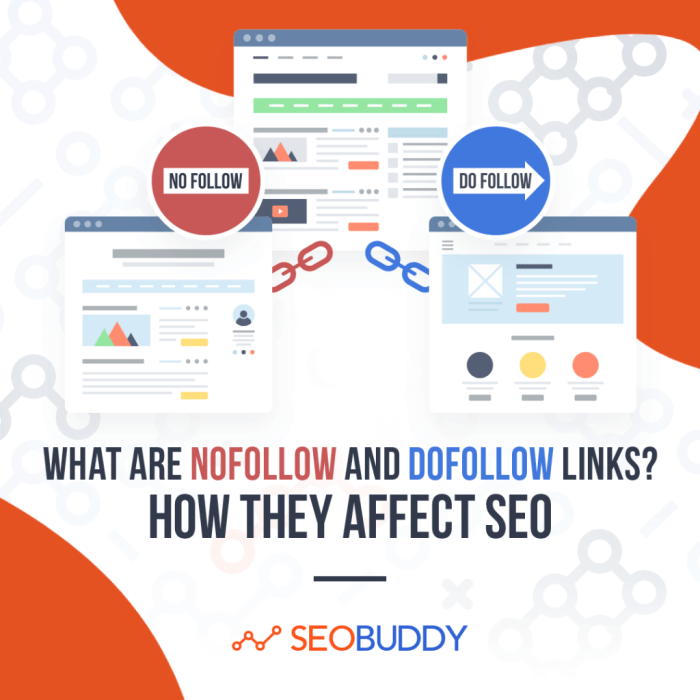
Do-follow vs no-follow backlinks sets the stage for this enthralling narrative, offering readers a glimpse into a story that is rich in detail and brimming with originality from the outset.
In the dynamic world of , understanding the distinctions between do-follow and no-follow backlinks is crucial for anyone looking to enhance their online presence. Do-follow backlinks pass on link equity and positively affect your site’s authority, while no-follow links, despite not contributing directly to your rankings, still play a significant role in a well-rounded strategy. By exploring these differences, we can better appreciate how each type of backlink influences our website’s performance and visibility.
Understanding Do-follow vs No-follow Backlinks
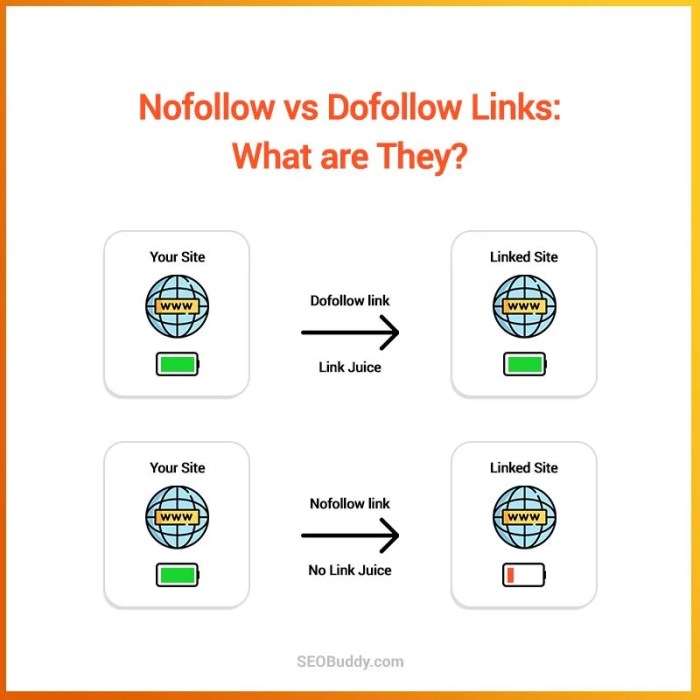
Backlinks play a pivotal role in the world of , serving as a primary means through which search engines evaluate the credibility and authority of a website. Among the various types of backlinks, do-follow and no-follow links stand out as the most discussed. Understanding these two types can significantly influence a website’s search engine ranking and authority.Do-follow backlinks are links that allow search engine crawlers to follow them and pass on link equity or authority to the linked site.
In contrast, no-follow backlinks include a no-follow attribute that instructs search engine bots not to follow the link, which means they do not contribute to the linked site’s authority or ranking in search engine results. This fundamental difference shapes how each type of backlink affects a website’s .
Impact on Website Authority and Ranking
The distinction between do-follow and no-follow backlinks has substantial implications for a website’s authority and search engine ranking. Do-follow links are crucial for boosting a site’s visibility and credibility. When a reputable site links to another site with a do-follow link, it effectively vouches for that site, enhancing its perceived authority. This endorsement can lead to better rankings in search engine results.On the other hand, no-follow links do not contribute to the same level of authority or ranking benefits.
While they do not directly enhance search engine rankings, no-follow links can still be valuable for driving traffic and increasing brand awareness. They serve as a means to generate referral traffic from relevant sources, which can indirectly lead to increased do-follow links over time.To illustrate the differences further, consider the following points regarding the benefits of do-follow links and the limitations of no-follow links:
- Do-follow Links: Essential for improving domain authority and search rankings.
- Credibility Boost: A do-follow link from a trusted site can significantly enhance a site’s reputation.
- Long-term Benefits: Accumulating do-follow links can lead to sustainable success.
Conversely, here are some limitations associated with no-follow links:
- No Authority Transfer: No-follow links do not pass on link equity to the linked website.
- Limited Impact on : They do not directly influence search engine rankings or domain authority.
- Potential for Over-Reliance: Relying solely on no-follow links can hinder long-term growth.
“Do-follow links are the lifeblood of , while no-follow links serve as a supportive yet limited resource.”
In conclusion, both do-follow and no-follow backlinks hold significance in the landscape of , each serving unique purposes. Understanding the dynamics between these link types enables webmasters and digital marketers to strategize effectively for optimal search engine performance.
The Role of Link Popularity in
Link popularity is a crucial factor in the search engine optimization () landscape, directly influencing how search engines perceive the relevance and authority of a website. Essentially, link popularity refers to the quantity and quality of backlinks pointing to a website, which search engines use as a metric to rank content. A higher link popularity not only boosts a website’s visibility but also enhances its credibility among users and search algorithms alike.Search engines like Google prioritize backlinks as a key indicator of a website’s authority.
The overall link profile of a website, including both do-follow and no-follow links, plays a significant role in shaping its search engine rankings. Factors that contribute to link popularity include the number of unique referring domains, the trustworthiness of those domains, and the anchor text used in the backlinks. Each backlink serves as a vote of confidence; thus, the more quality votes a site receives, the higher it is likely to rank for relevant searches.
Factors Contributing to Link Popularity
Understanding the elements that contribute to link popularity is vital for effective strategies. Several key factors influence the effectiveness of backlinks:
- Quality of Linking Domains: Links from high-authority sites carry more weight than those from low-quality, spammy domains. Search engines assess the trustworthiness of linking domains to determine the value of the backlink.
- Diversity of Backlink Sources: A varied backlink profile, with links coming from different domains, indicates that the content is widely recognized and trusted across the web, enhancing link popularity.
- Relevance of Content: Links from sites that operate within the same niche or industry are considered more relevant. This contextual relevance boosts the perceived authority of the linked site.
- Anchor Text Optimization: The use of relevant s in anchor text can provide additional context to search engines about the linked content, improving its chances of ranking well.
- Social Signals: Shares and engagement on social media can drive traffic and create natural backlinks, indirectly affecting link popularity as they enhance visibility and reach.
To effectively increase link popularity, leveraging both do-follow and no-follow backlinks is essential. Strategies for achieving this include:
- Creating High-Quality Content: High-value content naturally attracts links. Engaging blog posts, infographics, and videos are more likely to be referenced and shared.
- Guest Blogging: Writing articles for reputable sites in your niche can yield valuable do-follow backlinks, while also creating opportunities for no-follow links through author bios.
- Engaging in Community Forums: Participating in discussions and providing helpful insights in forums, social media, and Q&A platforms can generate no-follow backlinks, increasing overall exposure.
- Building Relationships with Influencers: Collaborating with influencers or industry leaders can lead to mentions and backlinks from their high-authority sites, enhancing link popularity.
- Utilizing Press Releases: Well-crafted press releases distributed through reputable channels can garner attention and attract a mix of do-follow and no-follow links.
By focusing on these factors and techniques, website owners can significantly enhance their link popularity, leading to improved search engine rankings and greater online visibility.
Strategies for Building Quality Backlinks
Building quality backlinks is essential for boosting your website’s authority and improving its rankings in search engine results. A diverse backlink profile that includes both do-follow and no-follow links can significantly enhance your online visibility. This section Artikels effective strategies for cultivating quality backlinks that align with modern practices.
Diverse Backlink Profile Development
A diverse backlink profile is crucial for a robust strategy. It ensures that your site is perceived as credible by search engines and can mitigate the risks associated with relying too heavily on one type of link. Here are effective methods for building a diverse backlink profile:
- Engage in Industry Forums: Participate in discussions on forums related to your niche. By providing valuable insights, you can earn no-follow links from forum signatures or profiles.
- Utilize Social Media: Share your content on social media platforms. While these links are often no-follow, they can drive traffic and enhance brand visibility, leading to organic backlinks.
- Local Listings and Directories: Submit your website to local business directories. Many of these listings provide do-follow links and help improve your local efforts.
- Collaborate with Influencers: Partnering with influencers in your industry can help you gain high-quality do-follow links through shared content or endorsements.
Content Marketing and Guest Blogging Approaches
Content marketing and guest blogging are powerful techniques for earning backlinks. Implementing these strategies can establish your authority and attract more visitors to your site. Here’s how to effectively harness these methods:
- High-Quality Blog Content: Create research-based articles, infographics, or videos that provide value. This type of content is more likely to be shared, resulting in natural backlinks.
- Guest Blogging on Relevant Sites: Write guest posts for reputable blogs within your niche. This not only earns you do-follow links but also showcases your expertise to a larger audience.
- Offer a Value Proposition: When reaching out to potential guest blogging sites, emphasize the unique insights or resources you can provide to their audience, making your request more appealing.
- Content Collaborations: Team up with other bloggers or content creators to produce joint content. This can lead to multiple backlinks from both parties’ audiences.
Importance of Link Building in Specialized Niches
Link building is particularly significant for specialized niches such as paid surveys, podcasting, and product launches. These areas benefit from unique strategies that can enhance visibility and credibility.
- Paid Surveys: Create engaging survey content that is newsworthy or offers insights that can be linked to by media outlets or blogs, thereby gaining valuable backlinks.
- Podcasting: Promote your podcast in relevant directories and collaborate with other podcasters to cross-promote, which can lead to both do-follow and no-follow links.
- Product Launching: Utilize press releases and launch events to create buzz. Make sure to include links to your product pages to earn backlinks from news sites and blogs covering your launch.
“A comprehensive backlink strategy not only improves search rankings but also builds brand authority and drives targeted traffic.”
Final Summary
In conclusion, recognizing the value of both do-follow and no-follow backlinks allows website owners and marketers to craft a more effective strategy. While do-follow links drive authority and enhance rankings, no-follow links contribute to a diverse backlink profile, which is essential in today’s competitive digital landscape. Balancing both types can lead to sustainable growth and increased visibility.
Commonly Asked Questions
What are do-follow backlinks?
Do-follow backlinks are links that allow search engines to follow them and pass on link equity, contributing positively to a website’s authority and ranking.
What are no-follow backlinks?
No-follow backlinks are links that instruct search engines not to pass on link equity, meaning they do not directly influence a site’s ranking.
Why are no-follow links important?
No-follow links can still drive traffic and help build a diverse backlink profile, which is beneficial for overall strategy and credibility.
Can no-follow links help with ?
Yes, while no-follow links don’t pass link equity, they can assist in building brand awareness and driving referral traffic, which can indirectly benefit .
How can I get quality do-follow backlinks?
Quality do-follow backlinks can be obtained through content marketing, guest blogging, and establishing relationships within your niche to earn valuable links.


