Kicking off with Interview tips for podcast hosts, this guide aims to provide essential strategies that will elevate your podcasting game. Engaging interviews are the cornerstone of captivating content, and whether you’re a seasoned host or just starting out, mastering the art of interviewing can significantly impact your show’s success.
From preparation techniques to post-interview practices, this overview covers everything you need to know to create compelling conversations that resonate with your audience. By focusing on thorough research, active listening, and effective follow-up, you’ll be well-equipped to draw out the best stories and insights from your guests.
Preparation Techniques for Podcast Interviews
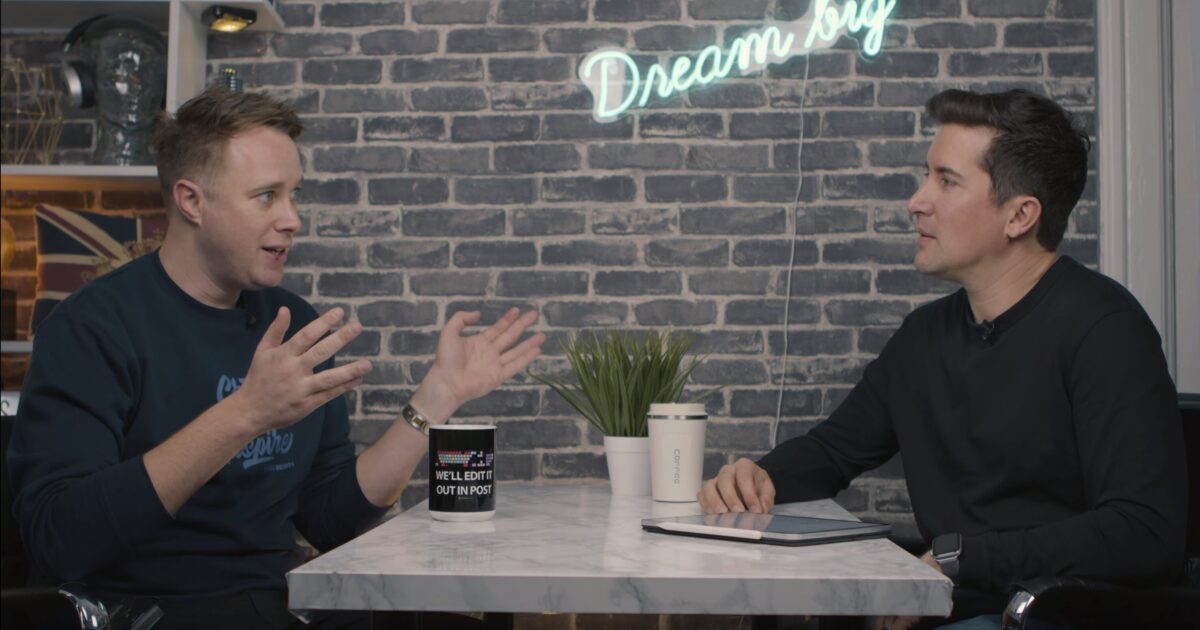
To conduct a successful podcast interview, preparation is key. It involves delving into your guest’s background, formulating thoughtful questions, and ensuring a comfortable atmosphere. Each of these elements contributes significantly to the quality of the conversation, resulting in a more engaging and enjoyable experience for both the host and the audience. Here are effective strategies to enhance your preparation process.
Researching Guests Thoroughly
Understanding your guest’s background, expertise, and interests is critical to creating an engaging interview. Effective research goes beyond a simple Google search; it includes exploring various aspects of your guest’s career and personality.
- Check their social media profiles to grasp their current projects and interests in real-time.
- Read articles, books, or blogs they’ve authored to find key themes and insights they value.
- Listen to previous interviews or podcasts featuring your guest to pick up on their speaking style and preferred topics.
By employing these research techniques, you can tailor your questions more effectively and create a personalized experience in your podcast.
Developing Engaging Questions
Creating questions that resonate with your guest’s expertise encourages a more profound dialogue. Well-crafted questions can lead to insightful discussions that captivate your audience.
- Use open-ended questions to allow your guest to express their thoughts freely, fostering a natural flow in conversation.
- Incorporate specific references from your research to show your guest that you value their work, making them feel appreciated.
- Prepare follow-up questions that stem from your initial inquiries to dive deeper into intriguing topics during the interview.
This approach not only enhances the quality of the dialogue but also keeps the audience engaged with the content.
Creating a Comfortable Environment
Establishing a relaxed atmosphere is essential for an effective interview. A comfortable environment can significantly impact how freely your guest shares their thoughts.
- Choose a quiet location with minimal distractions to foster a focus on the conversation.
- Begin the interview with light conversation to help the guest ease into the discussion.
- Be mindful of their body language and responses during the interview, adjusting your approach if you sense discomfort.
A welcoming setting encourages honesty and openness, allowing for a more genuine and engaging podcast episode.
Conducting Effective Interviews
In the world of podcasting, conducting effective interviews is crucial for creating engaging content. A well-executed interview not only captivates the audience but also provides guests with a platform to share their insights and stories. Employing specific techniques can elevate the quality of your interviews significantly, making them more enjoyable for both listeners and guests alike.
Active Listening Techniques
Active listening is essential for facilitating a smooth conversation during interviews. It allows hosts to respond appropriately and keep the dialogue flowing. Key techniques to employ include:
- Maintain Eye Contact: This shows your guest that you are engaged and genuinely interested in what they have to say.
- Use Affirmative Nods: Simple nods or verbal affirmations like “I see” or “interesting” encourage guests to continue sharing their thoughts.
- Paraphrase and Summarize: Occasionally restate what the guest has said to demonstrate understanding and to clarify any points, which can lead to deeper discussions.
- Avoid Interruptions: Let your guest finish their thoughts before interjecting, which fosters a respectful dialogue and allows for richer storytelling.
Encouraging Personal Stories
Getting guests to share personal anecdotes can make interviews more relatable and engaging for the audience. Here are effective strategies:
- Ask Open-Ended Questions: Instead of yes or no questions, use prompts like “Can you tell me about a moment that shaped your career?” to elicit deeper responses.
- Create a Comfortable Environment: Establish rapport early in the conversation to make guests feel at ease, encouraging them to open up about personal experiences.
- Share Your Own Stories: By being vulnerable and sharing your experiences, guests may feel more inclined to reciprocate with their own stories.
- Use Follow-up Questions: Show genuine curiosity with follow-up questions that delve deeper into the guest’s initial answers, prompting them to elaborate on details.
Managing Interview Pacing
Proper management of the interview’s pacing is crucial for maintaining audience engagement. Here are some effective tips:
- Vary Your Questions: Mix up the types of questions you ask to keep the conversation dynamic and prevent monotony.
- Be Mindful of Timing: Keep an eye on the clock to ensure you cover all essential topics without rushing or dragging the conversation.
- Utilize Silence: Don’t rush to fill gaps; pauses can give guests time to think and often lead to more profound reflections.
- Revisit Key Themes: Briefly summarizing and revisiting important points during the interview can help maintain focus and reinforce critical messages for the audience.
Post-Interview Practices
After the recording of your podcast episode, the work doesn’t stop there. Post-interview practices are crucial for enhancing content quality, maximizing audience reach, and maintaining good relationships with your guests. This phase involves editing, promotion, and follow-ups that ensure your hard work translates into engaging and well-received episodes.
Editing and Enhancing Podcast Episodes
Editing is a fundamental step in making your podcast sound polished and professional. Here are some best practices to consider when editing your episodes:
Listen through the recording
Start by listening to the entire recording to identify key segments, awkward pauses, or any off-topic discussions that can be trimmed. This helps you get an overall feel of the content flow.
Use editing software
Invest in reliable audio editing software like Audacity, Adobe Audition, or GarageBand. These tools offer features such as noise reduction, equalization, and compression that can significantly improve audio quality.
Add intros and outros
Include a consistent intro and outro that reflects your podcast’s branding. This creates a seamless experience for listeners and reinforces your identity as a host.
Incorporate sound effects and music
Adding background music or sound effects can enhance engagement. Use royalty-free music that aligns with the tone of your podcast to maintain a professional vibe.
Create engaging show notes
Develop show notes that summarize the episode, include key points, and provide links to resources mentioned. This supports and gives listeners easy access to additional information.
Leveraging Social Media for Promotion
Social media is an invaluable tool for promoting your podcast episodes and reaching a broader audience. Here are effective strategies for leveraging these platforms:
Share teaser clips
Create short audio or video snippets from the episode to generate excitement. These teasers can be shared on platforms like Instagram, Twitter, and TikTok to attract potential listeners.
Engage with your audience
Use interactive posts such as polls or questions related to the episode’s content. This encourages listener engagement and fosters a community around your podcast.
Utilize hashtags
Research and include relevant hashtags in your posts to increase visibility. Popular hashtags within your niche can help potential listeners discover your content.
Tag your guests
When sharing episode announcements, tag your guests. This not only shows appreciation but also encourages them to share your content with their audience.
Schedule regular posts
Consistency is key in social media promotion. Create a content calendar to plan posts leading up to and following the episode release.
Follow-Up Checklist for Guests
Maintaining a positive relationship with your guests is essential for future collaborations and building a network. Here’s a checklist for following up after the interview:
Send a thank-you note
A brief thank-you email expressing your gratitude for their time and insights can leave a lasting impression. Personalize the note by mentioning specific points they made during the interview.
Share the release date
Inform your guests when the episode is set to be released. This allows them to prepare to promote it to their audience.
Provide access to the episode
Once released, send a link to the episode, along with the show notes. This ensures they have access to their contribution and can share it easily.
Request feedback
Encourage guests to provide feedback on their experience. This can help improve your interviewing skills and show that you value their opinion.
Invite future collaboration
Mention your interest in collaborating again or having them back for future episodes. This keeps the door open for ongoing relationships.
Final Summary
In conclusion, successfully implementing these Interview tips for podcast hosts will not only enhance the quality of your episodes but also deepen your connections with your guests and audience. By preparing thoughtfully, conducting interviews with care, and following up effectively, you’ll create a podcast that stands out and keeps listeners coming back for more.
Common Queries
How can I prepare better for my podcast interviews?
Thoroughly research your guests’ backgrounds and interests to tailor your questions and create a comfortable atmosphere.
What should I do if my guest is shy or hesitant to share?
Use open-ended questions and gentle prompts to encourage them to share their thoughts and stories more freely.
How can I ensure my interview stays on track?
Set a clear agenda and monitor the pacing, but be flexible enough to allow organic conversations to flow.
What are some effective ways to promote my podcast episodes?
Utilize social media platforms, create engaging teaser content, and encourage guests to share the episodes with their networks.
How important is follow-up communication with guests?
Follow-up communication is crucial for building relationships, showing appreciation, and gathering feedback for improvement.