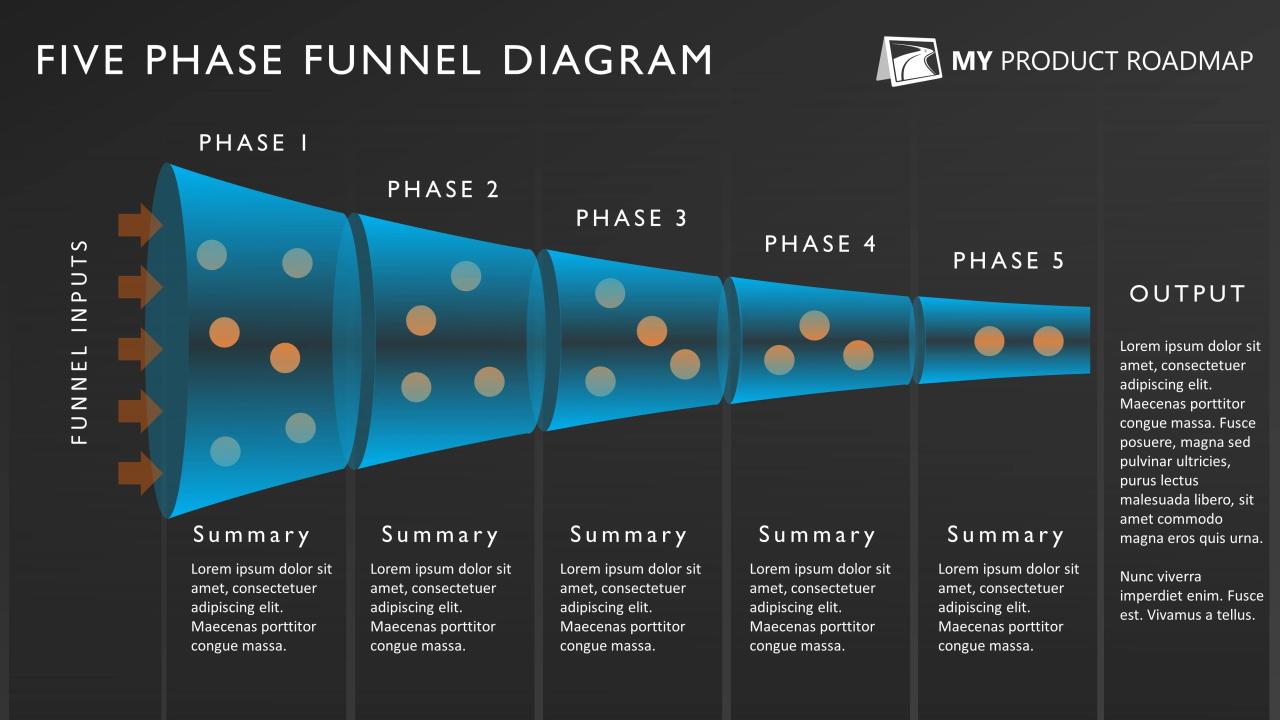
Creating a product funnel strategy is an essential aspect of modern marketing that helps businesses guide potential customers through their buying journey. Understanding the intricacies of a product funnel can significantly enhance sales and customer engagement, leading to sustainable growth. This article delves into the various components of a product funnel, shedding light on its stages and the types of products that fit each phase.
By following a structured approach, businesses can design an effective funnel that not only attracts leads but also nurtures them into paying customers. From understanding link popularity to leveraging diverse marketing channels, a well-crafted product funnel strategy ensures that your marketing efforts yield the best possible results.
Creating a Product Funnel Strategy
Creating a product funnel strategy is essential for guiding potential customers through their purchasing journey, from initial awareness to the final decision to buy. This structured approach not only increases conversions but also enhances customer satisfaction by meeting their needs at each stage. By categorizing products into different funnel stages, businesses can tailor their marketing efforts to maximize effectiveness.The concept of a product funnel revolves around the idea that customers move through distinct stages before making a purchase.
Understanding this journey helps marketers to create targeted campaigns that resonate with users at each point. The product funnel typically comprises several stages: Awareness, Interest, Decision, and Action. Each stage aligns with specific types of products and marketing strategies.
Stages of a Product Funnel
Each stage of the product funnel serves a unique purpose and caters to different customer needs. Here’s a breakdown of the stages and the product types that fit within them:
- Awareness: At this initial stage, potential customers become aware of a problem they need to solve. Products in this stage typically include informational content, such as blog posts, webinars, or free trials that educate the audience about solutions.
- Interest: Here, consumers express interest in specific solutions. Products suited for this stage may include case studies, eBooks, or product demos that showcase the benefits and features of a brand’s offering.
- Decision: Customers are now evaluating options and making comparisons. This stage is best for offering product comparisons, testimonials, and detailed product descriptions, helping them make informed decisions.
- Action: In the final stage, the customer is ready to make a purchase. Products and strategies at this stage should include promotional offers, limited-time discounts, or easy checkout options to facilitate the buying process.
Designing an effective product funnel strategy involves a series of steps that align your marketing efforts with customer needs at each stage. The following guide Artikels a systematic approach to creating your funnel:
Step-by-Step Guide to Designing a Product Funnel Strategy
Developing a product funnel strategy requires careful planning and execution. Here are the steps to create a successful product funnel:
- Identify Your Target Audience: Understand who your ideal customers are, their preferences, pain points, and behaviors. This helps tailor your marketing messages to resonate with them.
- Define the Stages: Clearly Artikel the stages of your product funnel. Ensure each stage has specific goals and types of content that align with customer needs.
- Create Relevant Content: Develop content tailored for each stage of the funnel. This may include blogs, videos, infographics, or webinars that guide potential customers through their journey.
- Implement Marketing Automation: Use marketing automation tools to streamline communication and nurture leads through personalized email campaigns based on their interactions.
- Analyze and Optimize: Continuously monitor your funnel’s performance using metrics such as conversion rates and customer feedback. Adjust your strategy based on insights gained to improve effectiveness.
By following these steps and understanding the importance of each stage in the product funnel, businesses can create a comprehensive strategy that drives customer engagement and boosts sales.
Building Link Popularity
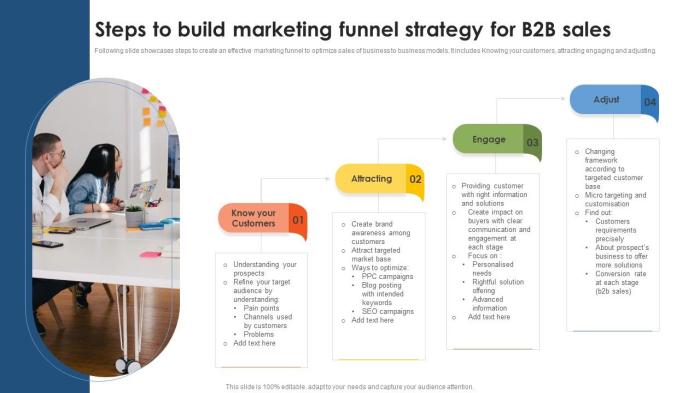
Enhancing link popularity is a crucial aspect of any successful product funnel strategy. It not only boosts your website’s authority in search engine rankings but also drives significant traffic to your product offerings. A robust link profile indicates to search engines that your content is valuable and trustworthy, making them more likely to rank you higher and recommend your products to potential customers.To effectively build link popularity, various methods can be employed.
The focus should not only be on the quantity of backlinks but also on the quality and relevance of those links to your offerings. High-quality backlinks from reputable sources can significantly enhance your site’s credibility and influence customer trust.
Methods for Acquiring High-Quality Backlinks
Acquiring high-quality backlinks is vital for establishing link popularity. Here are several effective techniques to build a strong backlink profile:
- Content Marketing: Creating valuable, informative, and engaging content that addresses your target audience’s needs can naturally attract backlinks. High-quality articles, infographics, and videos encourage other sites to link to your content.
- Guest Blogging: Writing guest posts for reputable blogs in your niche can provide you with backlinks. This approach not only helps in link acquisition but also positions you as an authority in your field.
- Outreach Campaigns: Conducting outreach to influencers, bloggers, and relevant media can help you secure backlinks. Personalized emails explaining the value of your product or content can lead to valuable links.
- Participating in Online Communities: Engaging in forums and online communities related to your industry can facilitate backlinks. Sharing your expertise and linking to your products in a non-promotional manner can yield positive results.
- Utilizing Social Media: Promoting your content on social media platforms can increase its visibility and the likelihood of others linking to it. Sharing insights and engaging with your audience can indirectly boost your link popularity.
Improved link popularity can lead to higher conversion rates in product funnels, as evidenced by several case studies. Companies that focused on link-building strategies reported significant increases in sales. For instance, an e-commerce brand that implemented a targeted content marketing strategy saw a 50% increase in organic traffic over six months, resulting in a 30% boost in sales.Moreover, a tech company that engaged in guest blogging across various influential platforms not only enhanced its link profile but also experienced a 40% growth in leads, as more potential customers discovered their products through quality content.By prioritizing high-quality backlinks and leveraging various techniques, businesses can create a solid foundation for their product funnel strategy, leading to increased visibility and sales.
Utilizing Various Marketing Channels
In today’s digital landscape, leveraging a mix of marketing channels is crucial for developing a comprehensive product funnel strategy. This multifaceted approach allows businesses to engage potential customers at various touchpoints, ultimately enhancing their chances of conversion. By exploring different channels such as Paid Surveys, Podcasting, PPC Advertising, and PPC Publishing, we can identify their unique advantages and integrate them effectively into our marketing efforts.
Advantages of Paid Surveys
Paid surveys can be a valuable tool for gathering consumer insights and building relationships with potential customers. Here are some advantages:
- Cost-effective method for obtaining market research data.
- Engagement with an audience that is interested in sharing their opinions.
- Ability to target specific demographics for tailored feedback.
- Rapid collection of data that can inform product development and marketing strategies.
Advantages of Podcasting
Podcasting has gained immense popularity as a means of brand storytelling and audience engagement. The benefits include:
- Establishes authority and credibility in your niche.
- Creates a personal connection with your audience through storytelling.
- Flexible content consumption, allowing listeners to tune in anywhere.
- Opportunities for guest collaborations, expanding your reach through cross-promotion.
Advantages of PPC Advertising
PPC Advertising is a powerful tool for driving targeted traffic. The advantages range from immediate visibility to effective tracking capabilities:
- Instantaneous traffic generation through targeted s.
- Highly measurable and adjustable campaigns based on performance metrics.
- Ability to reach audiences in specific geographic locations or demographics.
- Enhanced brand visibility, increasing the likelihood of conversions.
Advantages of PPC Publishing
PPC Publishing allows businesses to monetize their content while driving traffic to their product funnel. Key benefits include:
- Potential for passive income through ad placements on your platforms.
- Increased exposure for your brand and products through shared content.
- Ability to gauge audience interests through click-through rates on ads.
- Flexible scaling options based on audience engagement and ad performance.
Integrating Channels into the Product Funnel
To maximize the effectiveness of these marketing channels, a strategic integration plan is essential. This involves a coherent flow from awareness to conversion:
“Creating a seamless customer journey through multiple channels boosts engagement and conversion.”
The integration strategy may include:
Paid Surveys
Use insights from surveys to refine your product offerings and tailor your marketing messages. Embed surveys on landing pages to capture leads while gathering feedback.
Podcasting
Incorporate calls-to-action within episodes, directing listeners to your website or landing pages. Promote exclusive offers for subscribers to incentivize conversions.
PPC Advertising
Ensure that your ads lead to optimized landing pages aligned with the ad content. Regularly analyze and adjust bidding strategies based on performance to maximize ROI.
PPC Publishing
Share ads in relevant content pieces or within your podcasts to reach engaged audiences. Use analytics to identify the best-performing content for ad placements, amplifying reach and revenue opportunities.
Leveraging Channels for List Building and Conversion
Effective list building and conversion are vital aspects of any marketing strategy. Each channel offers unique opportunities to enhance these processes:
Paid Surveys
Entice respondents with incentives like discounts or freebies in exchange for their email addresses. Use this data to grow your email list and nurture leads.
Podcasting
Create downloadable content related to your episodes, available in exchange for email subscriptions. This not only builds your list but also provides valuable content to your audience.
PPC Advertising
Use lead magnets in your ads, such as free trials or e-books, to encourage clicks and capture contact information for follow-ups.
PPC Publishing
Utilize your platform to host exclusive webinars or events, inviting users to register via email. This builds your list while promoting deeper engagement with your content.The integration of these channels, when executed effectively, can significantly enhance your product funnel strategy, leading to increased reach, higher engagement, and improved conversion rates.
Conclusion
In conclusion, Creating a product funnel strategy is not just about guiding potential customers but also about creating an ecosystem where your marketing efforts synergize to maximize conversion rates. By implementing the steps discussed and incorporating various marketing channels, businesses can build a robust funnel that drives sales and fosters customer loyalty. Remember, a well-optimized product funnel is key to transforming leads into long-term clients.
Top FAQs
What is the primary goal of a product funnel?
The primary goal of a product funnel is to guide potential customers through their buying journey, ultimately leading to increased sales and customer retention.
How do I know which products fit into each stage of the funnel?
Products are typically categorized based on their complexity and customer readiness, with simpler products at the top and more complex or higher-value offerings at the bottom.
How can I measure the effectiveness of my product funnel?
You can measure effectiveness by tracking metrics such as conversion rates, customer engagement, and sales attributed to specific funnel stages through analytics tools.
What are the key components of a product funnel?
The key components include awareness, interest, decision, and action, each representing a stage in the customer journey.
Can I use multiple marketing channels in my funnel strategy?
Absolutely! Integrating various marketing channels can enhance your reach and improve conversion rates by targeting potential customers where they are most active.


