Video podcasting vs audio-only presents a fascinating debate in the world of content creation, showcasing how each format serves its unique purpose while captivating audiences in different ways. As creators navigate the digital landscape, understanding these two formats can significantly impact their reach and engagement strategies.
Video podcasting allows for a more dynamic connection with viewers through visuals, but it comes with its own set of technical challenges. On the other hand, audio-only podcasts offer a simpler production process and may cater to audiences on-the-go, making it crucial to weigh the benefits and drawbacks of each format.
Understanding Video Podcasting
Video podcasting is an evolving medium that combines audio content with visual elements, creating a more immersive experience for the audience. Unlike traditional audio-only podcasts, video podcasts leverage visuals, which can include video clips, images, animations, and even on-screen text. This integration of sight and sound allows creators to enhance storytelling, making content more engaging and easier to digest.One of the primary advantages of video podcasting is the potential for heightened viewer engagement.
The visual component can captivate audiences, keeping them focused for longer periods. Additionally, video podcasts can better convey emotions, concepts, and narratives through facial expressions, body language, and visual aids. However, video podcasting comes with its own set of disadvantages, such as the increased production complexity and the need for additional technical equipment. Many creators may find the learning curve steep as they navigate the intricacies of video editing and production.
Advantages and Disadvantages of Video Podcasting
When considering video podcasting, it is essential to weigh the benefits and drawbacks it presents. The following points highlight the key aspects of this medium:
- Increased Engagement: The visual elements can draw in viewers and maintain their attention, leading to longer watch times and increased retention rates.
- Visual Storytelling: Creators can use visuals to elaborate on topics, making complex subjects easier to understand and relate to.
- Branding Opportunities: Video podcasts provide a platform for enhancing brand recognition through visual identity and consistent themes.
- Greater Reach: Platforms like YouTube have vast audiences, offering video podcasts the potential to reach wider demographics.
- Production Complexity: Video podcasting requires more equipment and expertise in video editing, potentially limiting accessibility for some creators.
- Higher Production Costs: Investing in good cameras, lighting, and sound equipment can increase the overall production budget.
- Editing Time: Video editing is often more time-consuming than audio editing, which can deter some creators from producing video content.
Technical Requirements for Producing High-Quality Video Podcasts
To create high-quality video podcasts, certain technical requirements must be met to ensure the production is professional and appealing. The following components are integral to successful video podcasting:
- Camera: A good quality camera, such as a DSLR or mirrorless camera, is essential. These cameras provide enhanced image quality and control over settings like exposure and focus.
- Microphone: High-quality audio is crucial. Using external microphones, such as lavalier or condenser mics, can significantly improve sound clarity compared to built-in camera mics.
- Lighting: Adequate lighting enhances video quality. Softbox lights or ring lights can create a flattering look and eliminate harsh shadows.
- Video Editing Software: Familiarity with editing software, such as Adobe Premiere Pro or Final Cut Pro, is important for producing polished final products.
- Background and Set Design: A clean and visually appealing background can help retain viewer attention and enhance the overall aesthetic of the video.
- Streaming Platform: Selecting the right platform for distribution, such as YouTube or Vimeo, is crucial for reaching the intended audience. Consideration should be given to the platform’s features and audience base.
“Video podcasting offers a unique blend of audio and visual storytelling that can enhance audience connection and retention.”
Exploring Audio-Only Podcasting
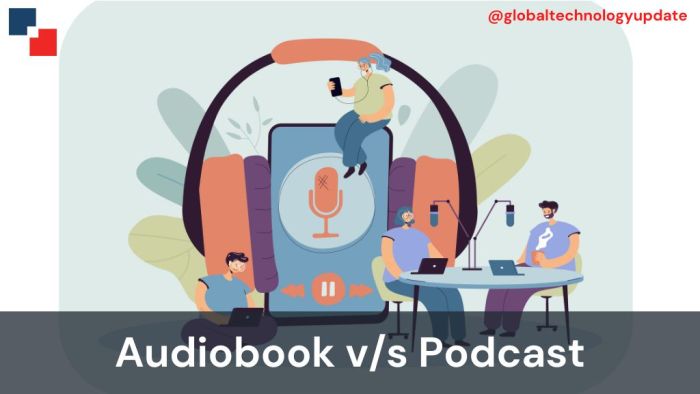
Audio-only podcasting has carved out a unique niche in the content creation landscape, offering a variety of benefits compared to video podcasting. Understanding these advantages is crucial for podcasters looking to optimize their reach and production processes. This segment delves into the benefits, target audiences, and strategies for maximizing listener retention in the audio-only realm.
Production Costs and Audience Reach
Audio-only podcasts generally come with lower production costs than their video counterparts. With minimal equipment requirements such as a quality microphone and recording software, aspiring podcasters can produce high-quality content without significant financial investment. In contrast, video podcasting requires cameras, lighting, and often advanced editing skills, which can significantly elevate production costs. The audience reach for audio-only podcasts can also be quite expansive.
Platforms like Spotify and Apple Podcasts allow for easy access to a diverse range of listeners, often appealing to those who prefer multitasking while consuming content. Statistically, audio consumption has surged, with research showing that over 50% of Americans have listened to a podcast. This broad accessibility means that podcasters can tap into various demographics, including busy professionals, commuters, and students.
Target Audience Identification and Engagement
Identifying the target audience for audio-only podcasts involves understanding listener preferences and behaviors. Key demographics often include individuals aged 18-34, who are typically tech-savvy and seek engaging content that fits their on-the-go lifestyles. To effectively reach this audience, podcasters can leverage social media platforms, utilize targeted advertisements, and collaborate with influencers within specific niches. Engaging content is crucial, and podcasters should focus on creating topics that resonate with their target listeners.
Regularly interacting with the audience through social media or dedicated listener feedback sessions can also enhance connections and expand reach.
Maximizing Listener Retention
Listener retention is critical for the success of audio-only podcasts. Retaining an audience requires thoughtful strategies that keep listeners engaged episode after episode. Key strategies include:
- Consistent Scheduling: Releasing episodes on a regular schedule fosters listener anticipation and habit.
- Quality Content: Providing valuable insights, storytelling, and expert interviews keeps the content fresh and engaging.
- Audience Engagement: Incorporating listener feedback, questions, or experiences into episodes can create a sense of community.
- Teasers and Recaps: Briefly highlighting previous episodes or teasing future content maintains interest.
Through these methods, podcasters can significantly improve their listener retention rates, ensuring that their audience remains engaged and invested in the content being delivered.
Marketing Strategies for Both Formats
In the fast-evolving world of podcasting, effective marketing strategies are key to attracting and retaining listeners. Both video and audio podcasting offer distinct advantages, and understanding how to promote each format can significantly impact audience engagement and growth. Below, we delve into specific strategies tailored for both video and audio podcasts that can help maximize your reach and influence.
List-Building Strategy for Video and Audio Podcasting
Building a robust listener base is fundamental for any podcast. Here are some strategies specifically designed for both formats to grow your audience effectively:
- Leverage Social Media Platforms: Create shareable content from your episodes, such as video snippets or audio clips, and distribute them across platforms like Instagram, TikTok, and Twitter to attract followers.
- Offer Exclusive Content: Encourage listeners to subscribe to a newsletter or membership site in exchange for exclusive episodes, behind-the-scenes content, or early access to new shows.
- Cross-Promotion: Collaborate with other podcasters to feature each other’s content, thus exposing your podcast to their audience.
- Email Marketing: Use email campaigns to keep your audience updated with new episodes, thereby maintaining engagement and encouraging them to share your podcast with their networks.
Utilizing Paid Surveys for Listener Feedback
Gathering listener feedback is essential for improving content and engagement. Paid surveys can be an effective tool for both video and audio podcasts. Here’s how to implement them:
- Targeted Audience Insights: Use platforms like SurveyMonkey or Google Forms to create surveys. Offer incentives such as gift cards or exclusive content access to encourage participation.
- Distribution through Episodes: Mention the survey in your podcasts and provide a link in the episode description, ensuring both audio and video listeners can easily participate.
- Focus Group Sessions: Organize paid focus groups that include listeners from both formats. This can provide deeper insights into listener preferences and habits.
Importance of Link Popularity and PPC Advertising
Promoting podcasts effectively requires a strategic approach to link popularity and paid advertising. These elements play a crucial role in enhancing visibility and attracting new listeners.
- Link Popularity: Optimize your podcast website for search engines by creating backlinks from reputable sites. This boosts your site’s authority, making it more likely to appear in search results.
- PPC Advertising: Utilize platforms like Facebook Ads or Google Ads to target specific demographics that align with your podcast’s theme. Consider creating video ads for platforms that support video content, which can lead to higher engagement rates.
- Analytics Tracking: Monitor your marketing campaigns through analytics tools to understand which strategies are driving the most traffic and adjust your approach accordingly.
“Effective podcast marketing hinges on understanding your audience and adapting strategies to meet their preferences.”
End of Discussion
In conclusion, the discussion of video podcasting vs audio-only highlights the distinct advantages and challenges each format brings to the table. As creators consider their options, understanding audience preferences and production requirements will be key to their success in reaching and retaining listeners.
FAQ Guide
What are the key differences between video and audio podcasts?
Video podcasts offer visual elements that can enhance storytelling, while audio podcasts rely solely on sound, making them easier to consume on-the-go.
Are video podcasts more expensive to produce?
Typically, yes; video podcasts require more equipment and editing time compared to audio-only formats.
How can I improve viewer engagement in video podcasts?
Incorporate interactive elements such as Q&A sessions, viewer polls, and compelling visuals to keep your audience involved.
Can audio-only podcasts reach a broader audience?
Yes, audio-only podcasts can be more accessible, allowing people to listen while multitasking, which may increase their reach.
What marketing strategies work best for each format?
Utilizing social media and targeted ads can benefit both formats, but video podcasts may also thrive on platforms that support visual content sharing.